In the realm of human existence, there has long been a yearning to transcend the confines of ordinary reality and venture into the boundless expanses of higher realms. Throughout history, across cultures and belief systems, mystics and seekers have embarked upon a profound and awe-inspiring journey, exploring the depths of consciousness and uncovering the hidden pathways to higher realities. From the ancient wisdom of Eastern mysticism to the esoteric traditions of the West, a tapestry of mystic practices and philosophies has emerged, offering glimpses into the ineffable and transcendent. This essay delves into the mystical ways through which individuals have sought to attain communion with these higher realities, drawing upon the rich tapestry of spiritual experiences and ancient wisdom, and illuminating the transformative potential that lies within the realms beyond our ordinary perception.
Intermediaries, Mirrors, and the Limits of Direct Knowledge
If there is another higher reality, there must be ways to establish contact with this reality. Throughout history, numerous individuals and movements have pondered these ways. For instance, the Gnostics claimed that reality consists of multiple layers, perceiving distinct qualities among these layers. Therefore, Gnostic thought, particularly in the realms of sin and virtue, delved into discussions of illusion and awakening rather than moral dilemmas. Similarly, in Jewish mysticism, especially in the schools of Merkavah and Kabbalah, the dimensions and layers of reality hold a central place. These schools believed that through various meditation and focusing techniques, such as hitbodedut and sometimes hitbonenut neut, one could gain a glimpse into the layers and contents of this reality.
Christianity and Islam place particular importance on transcending to the realms of the afterlife and ascending to the heavens. Hermeticism, which evaluates cosmology from a distinct perspective, metaphorically likens the universe, its functioning, and layers to the Macrocosm, drawing parallels to the human being, referred to as the Microcosm.
The profound influence of Hermeticism on mystical schools cannot be denied, and its view encapsulated by the motto “As above, so below” can be observed in other mystical movements. Higher realities, hidden realms, altered states of consciousness, parallel universes, and similar alternative and elevated dimensions of reality, positioned beyond what we normally perceive, are said to be accessible through human consciousness and, consequently, through the human being.
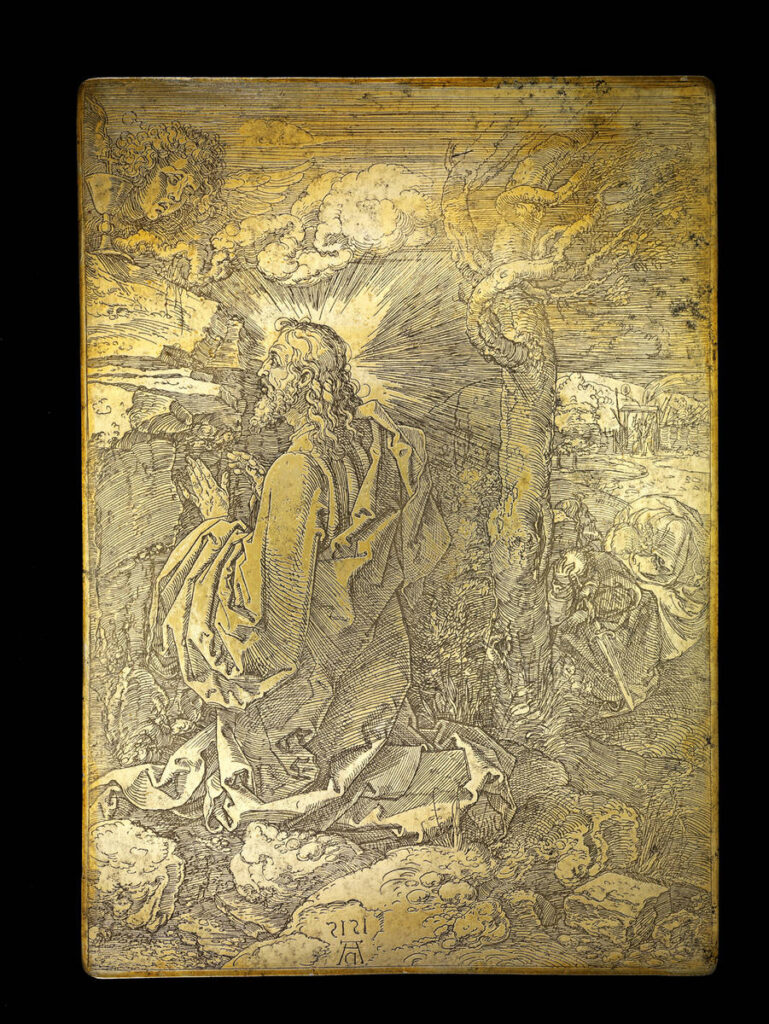
However, the common thread underlying all these endeavors is the understanding that the transcendent reality cannot be perceived in its absolute and naked form. For instance, Prophet Muhammad received his first message through an intermediary, the angel Gabriel, while in the cave of Hira. In the Talmud, in the passage that tells of Rabbi ben Azzai and his three companions entering each section of the heavenly garden called Pardes, Rabbi ben Azzai desired to see the reality he saw in a mirror directly, without intermediaries, through his own mind, through hitbodedut. He paid the price for this desire with his life. In Kabbalistic accounts, the mirror metaphor is depicted similarly, where, like the story of Prophet Muhammad and the angel Gabriel, an angel assumes the role of a vicar. Often, venturing to gaze upon the unknown without intermediaries and exceeding one’s limits is portrayed in many stories as madness, loss of life, or falling into false beliefs. The danger of traversing this path alone and without knowledge is evident. Another point worth mentioning briefly here, which we will explore in detail in another article, is that Carl Gustav Jung approached this matter with caution, akin to his approach to the confrontations with the anima and animus. The opening of human consciousness to lofty and transcendent ideas should be done gradually and with intermediaries. In the following articles, we will delve into these methods.
In various religious traditions, the concept of an intermediary to communicate with higher realms or realities refers to an entity, being, or function that serves as a mediator or bridge between humans and those above humans. It implies that direct communication or communion with them may be challenging or inaccessible for humans due to the perceived gap between the higher and the mortal realm. The intermediary acts as a conduit, facilitating the connection and enabling communication between humans and the divine.
In the realm of this narrative, the mirror emerges as a captivating symbol, carrying a nuanced tapestry of meanings and fulfilling manifold purposes. Like a prism refracting light, it unveils profound insights into the human psyche, transcending its mere reflective surface. Within the narrative tapestry, mirrors weave a rich fabric of symbolism, their allure drawing us into the depths of their enigmatic reflections.
Within the realm of mirrors, the boundaries of reality bend and shimmer, suggesting the existence of parallel worlds and alternate realities. These enigmatic looking glasses transform into gateways, opening doors to otherworldly dimensions and beckoning characters to venture into the uncharted expanses of the imagination. Through their shimmering surfaces, the veil between what is and what could be is lifted, granting passage to the realms of escapism, fantasy, and the tantalizing exploration of alternative possibilities.
Yet, mirrors can also serve as harbingers of the shadowed realms of vanity, narcissism, and the intoxicating allure of self-obsession. They reflect the insidious grasp of society’s preoccupation with physical beauty, wherein characters become ensnared by their own reflection. In these gleaming surfaces, the deep chasm between authentic self-worth and the superficial veneer of physical appearance is laid bare, revealing the undercurrents of shallowness and the unrelenting pursuit of perfection.
Mystical Paths to Higher Realities
Delving into the profound depths of Kabbalah, one discovers a mesmerizing exploration of supernal universes. At the core of this mystical quest lies the Tree of Life, adorned with the radiant Sephirot—divine emanations embodying the multifaceted facets of God.
Seekers yearn to unravel the secrets of those realms, employing an array of sacred practices and disciplines. Through the prism of contemplation, study becomes a portal to the mystical dimensions, wherein sacred texts like the Zohar and the teachings of the revered Ari, Rabbi Isaac Luria, illuminate pathways to connect with the wisdom and energies that transcend earthly confines.
The art of Kabbalistic meditation emerges as a tapestry of visualizations, as adept practitioners navigate the intricate web of Sephirot and their interconnections on the Tree of Life. With unwavering focus and profound intent, they venture beyond the veils of ordinary perception, transcending into heightened states of awareness where divine realms may unveil themselves.
To attune their beings with the resplendent energies of the supernal universes, the Kabbalistic tradition bestows mystical significance upon sacred Hebrew letters and the divine names of God. Reciting specific combinations of these mystical utterances, practitioners forge a sacred resonance, harmonizing their souls with the pulsating vibrations of higher dimensions.
Guidance from those well-versed in the mystical arts of Kabbalah becomes a compass for seekers traversing the labyrinth of supernal exploration. Entrusting themselves to the wisdom of a qualified teacher, a spiritual mentor who has immersed themselves in the mystic teachings, disciples gain invaluable insights, interpretations, and navigational assistance on their transcendent voyage.
Within Sufism, the mystical domain of Islam, lies a profound pursuit as well—the exploration of the true natüre of our existence to the ultimate reality. Through an array of spiritual practices, Sufis aspire to attain direct experiential knowledge of that reality, seeking to transcend the shackles of the material world and forge connections with higher realms of existence.
the practice of Dhikr unfolds—a sacred dance of remembrance, entailing the repetitive recitation of phrases. Through this ancient ritual, Sufis aim to quiet the clamor of the mind, focusing their awareness on establishing a profound connection with the Divine. The crescendo of voices uplifts consciousness, echoing with sacred hymns and poems, weaving a tapestry that transcends earthly boundaries.
Meditation and contemplation stand as steadfast pillars in the Sufi quest for enlightenment. Engaging in various forms of these practices, folowers seek solace in the stillness, endeavoring to attain a state of profound spiritual presence. They delve into the depths of higher attributes, engage in visualizations, and intone sacred phrases, their sustained efforts propelling them beyond the realms of ordinary consciousness, toward the dawning of heightened awareness, where glimpses of the supernal may be unveiled.
Through periods of seclusion and retreat, Sufis embrace a respite from the clamor of the world, immersing themselves in focused spiritual endeavors. These enigmatic sanctuaries, known as khalwa or khalwa-tul-wahid, become a crucible for prayer, meditation, and profound self-reflection, fostering an environment ripe for the blossoming of supernal realms. Within the embrace of solitude, seekers delve into the recesses of their souls, unravelling the mysteries that lie hidden, awaiting revelation.
In fact, reaching realities beyond our own reality is a natural extension of the path we have followed since birth. Just as we grow up learning that characters like Santa Claus are symbolic representations, aren’t we suspicious in our adulthood that there are other realities beyond what we consider true and see as real? Unfortunately, many individuals lose this ability as they grow older and, at some point, even if shown, they cease to accept higher realities. Here, we have attempted to identify some entry points into these subjects and will make an effort to show more. Of course, not everything can be explained everywhere to everyone. For more information, you can follow our newsletter or contact us through the contact form if you have any questions.